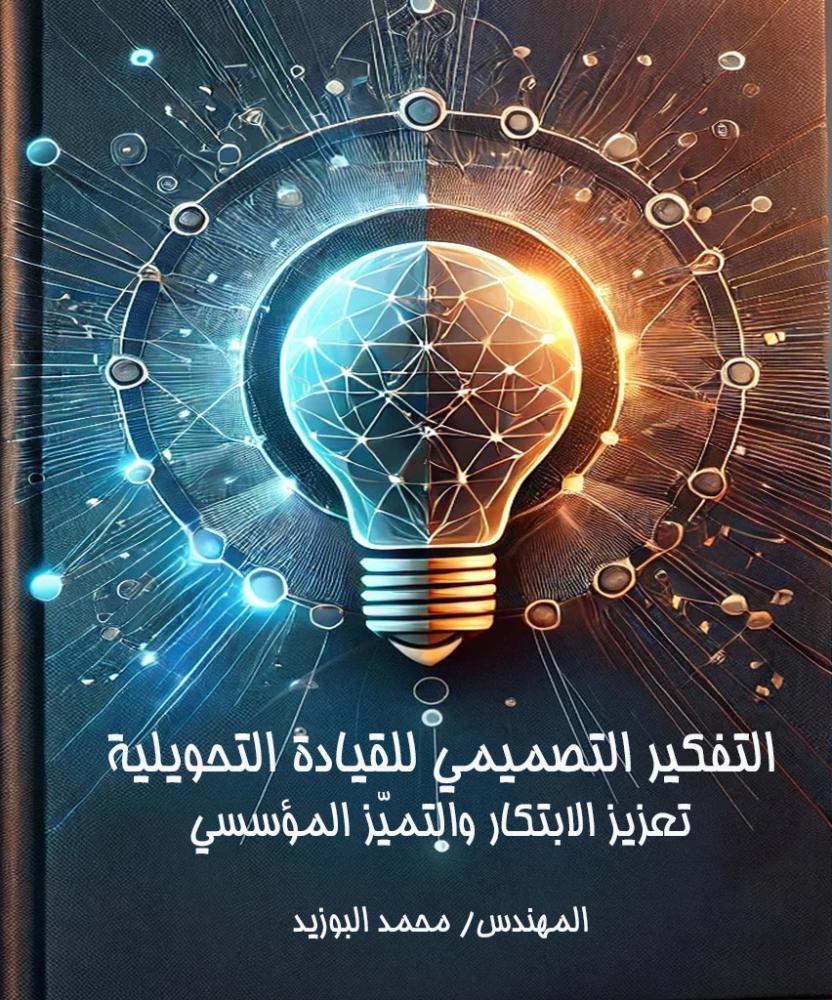
Design thinking for transformational leadership: enhancing innovation and organizational excellence
Summary of the book "Design Thinking for Transformational Leadership" The book "Design Thinking for Transformational Leadership" discusses the role of...
More
Summary of the book "Design Thinking for Transformational Leadership" The book "Design Thinking for Transformational Leadership" discusses the role of design thinking as a comprehensive approach to stimulate innovation and enhance organizational excellence. The aim of the book is to enable leaders to face organizational challenges creatively and effectively, by integrating innovation with empathy for human needs and focusing on sustainable solutions. Main topics of the book: Fundamentals of design thinking: definition of the concept and its main principles. Applying design thinking in leadership and solving complex problems. Integrated leadership models: the Qualitative Transformational Leadership (QTL) model to enhance vision and performance. The Systemic Solutions (SSX) model for analyzing root problems. The innovation and creative leadership framework to motivate organizational excellence. Comparing design thinking with other methods: comparing design thinking with methodologies like Six Sigma and Agile. Case studies on applying design thinking in different environments. Practical application: improving customer experience and designing innovative products and services. Improving internal processes through prototypes and testing ideas. Design thinking tools: tools like system mapping and journey analysis to understand organizational dynamics. Performance measurement tools to ensure sustainability of solutions. Design thinking and sustainability: its role in achieving organizational sustainability and designing long-term solutions. Leading transformation using design thinking: empowering teams and fostering a culture of innovation within organizations. Examples of successful institutional transformations. The future of leadership: the impact of design thinking on leadership transformations. The role of technology and artificial intelligence in supporting this approach. Summary of the book: Design thinking is not just a strategy for achieving innovation, but a comprehensive tool for improving all aspects of the organization. It contributes to building dynamic institutions capable of adapting to market challenges and achieving sustainable leadership.