
Dimensions: 24 x 30cm
Pages: 208
Binding: Hardcover
Colour illustrations: 150
وصف
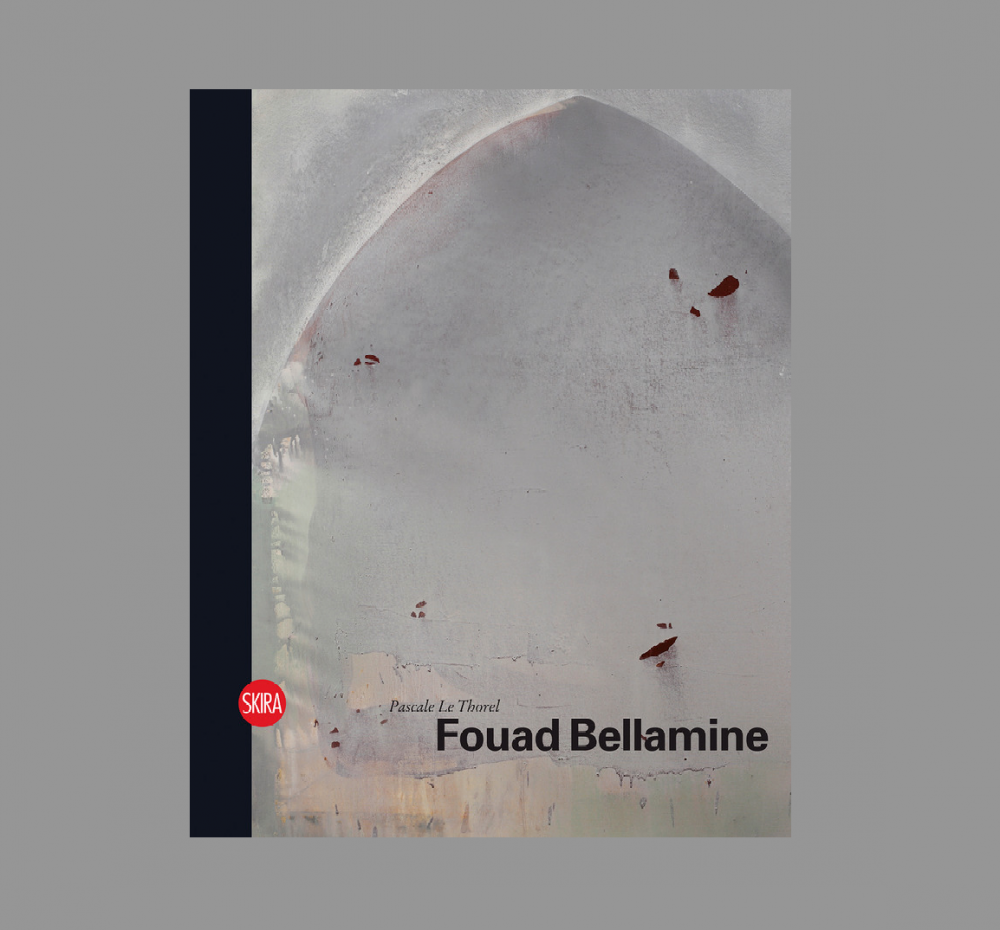
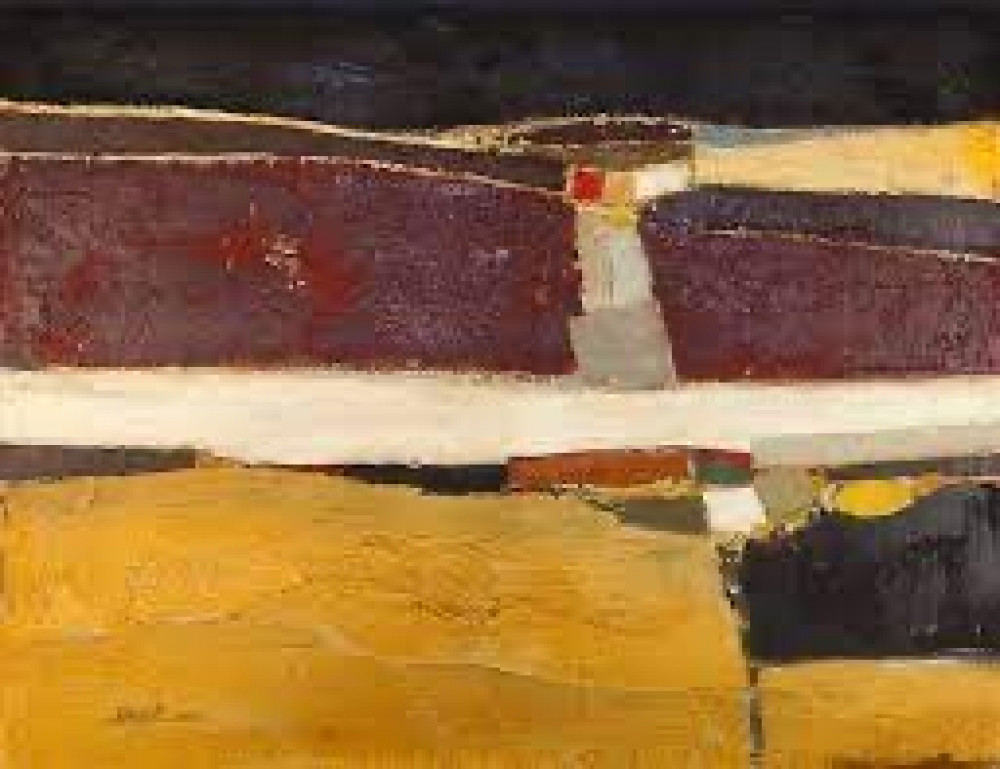
لقد أثبت فؤاد بلامين وجوده من خلال الأعمال الرئيسية التي تشكل نسجًا حميمًا من الجماليات والذاكرة وتؤكد استقلالية ذاتية للرسم في العالم العربي ، حيث كان الأدب يهيمن تقليديًا على الثقافة المرئية. اختار أن يجمع بين الفعل والفكر في السنوات الأولى من حياته المهنية في محاولة لرفع مستوى الرسم إلى مستوى عالٍ من التعبيرية.
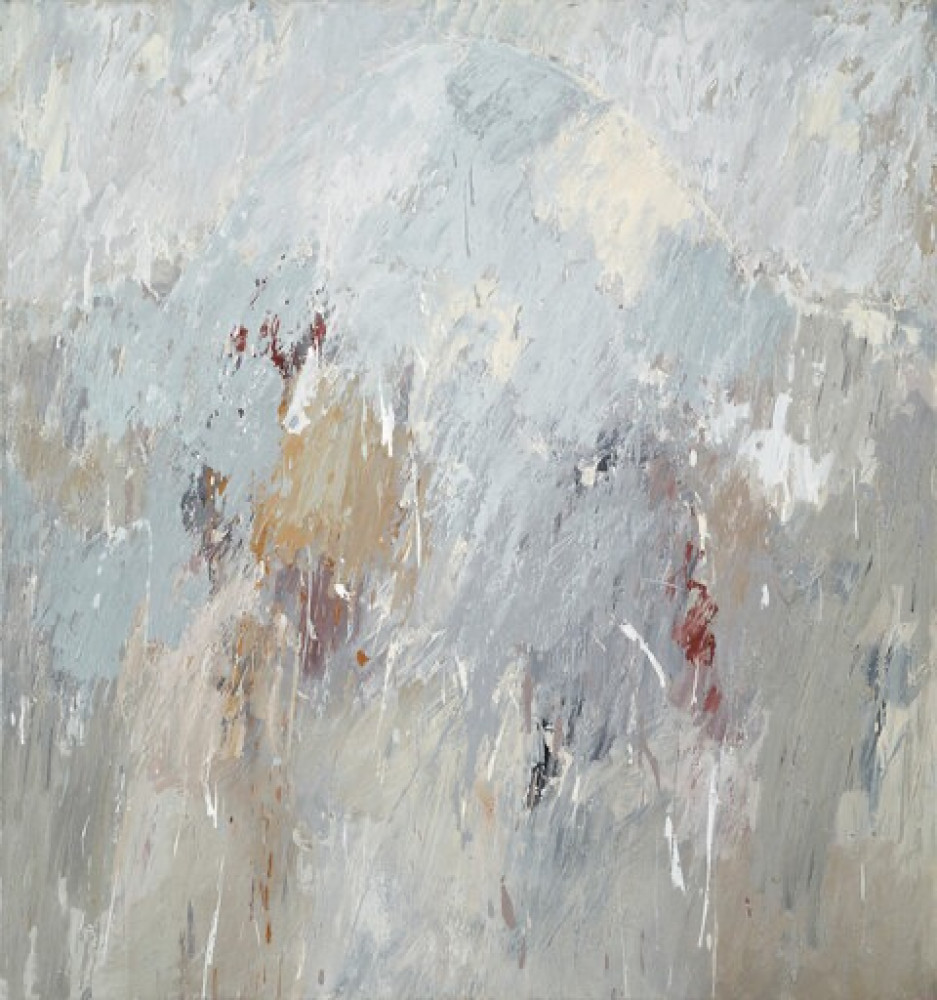
ومنذ ذلك الحين ، كشفت أعماله عن إتقان تصوير كبير أثناء نقل المشاعر العميقة لذكريات الرسام. وهناك إشارات متكررة في رسوماته إلى العناصر المعمارية لفاس مسقط رأسه ، مثل القباب والأقواس والأقواس والمنافذ. مثل مادلين بروست ، أحد مؤلفيه المفضلين ، فإنهم يلخصون "صرح الذاكرة الضخم".
شارك باسكال لو ثوريل ، مؤلف هذه الدراسة الواسعة ، في مناقشات مع الفنان لأكثر من عام لتقديم صورة واضحة لمساره الشخصي وتحليل تطوره الفني. تم توضيح الاهتمامات الجمالية لفؤاد بلامين والمشهد الفني المعاصر من السبعينيات حتى الوقت الحاضر.
وهكذا يضع المؤلف عمق وثراء عمل الفنان في منظور من خلال التفاعل بين ثقافته الأصلية وإشاراته إلى تاريخ الفن الغربي وكذلك انعكاساته على العلاقة بين المرئي الذي "يحجبه" ، و غير المرئي الذي يسعى إلى "كشف النقاب عنه".
DESCRIPTION
Fouad Bellamine has established himself with major works that constitute an intimate interweaving of aesthetics and memory and assert a sovereign autonomy of painting in the Arab world, where literature has traditionally predominated over the visual culture. He chose to combine the act with thought in the early years of his career in an effort to bring painting to a high level of expressivity.
His work has since revealed great pictorial mastery while conveying the deep emotion of the painter’s memories. There are recurrent references in his painting to the architectural elements of Fez his birthplace, such as domes, vaults, arches and niches. Like the madeleine of Proust, one of his favourite authors, they encapsulate “the huge edifice of memory”.
Pascale Le Thorel, the author of this broad study, was engaged in discussions with the artist for over a year so as to present a clear picture of his personal trajectory and analysis of his artistic development. The aesthetic concerns of Fouad Bellamine and the contemporary art scene are illustrated from the 1970s up to the present.
The author thus places the depth and richness of the artist’s work in perspective through the interplay between his culture of origin and his references to the history of Western art as well as his reflections on the relationship between the visible, which he “veils”, and the invisible, which he seeks to “unveil”.